When the defender’s tool becomes the attacker’s weapon, how do you decide what responsible behaviour looks like?
Anastasiya Kazakova, Cyber Diplomacy Knowledge Fellow and Geneva Dialogue Project Coordinator, DiploFoundation.

Anastasiya Kazakova, Cyber Diplomacy Knowledge Fellow and Geneva Dialogue Project Coordinator, DiploFoundation.
Reflections from the Geneva Dialogue Masterclass #2 — 2026 on Emerging Technologies and Cybersecurity
We brought together cybersecurity experts spanning technical research, policy, and civil society to examine the hype — and the substance — behind Mythos, Anthropic's recently unveiled AI model that has set the security community talking.
Anastasiya Kazakova (Cyber Diplomacy Knowledge Fellow and Geneva Dialogue Project Coordinator, DiploFoundation).
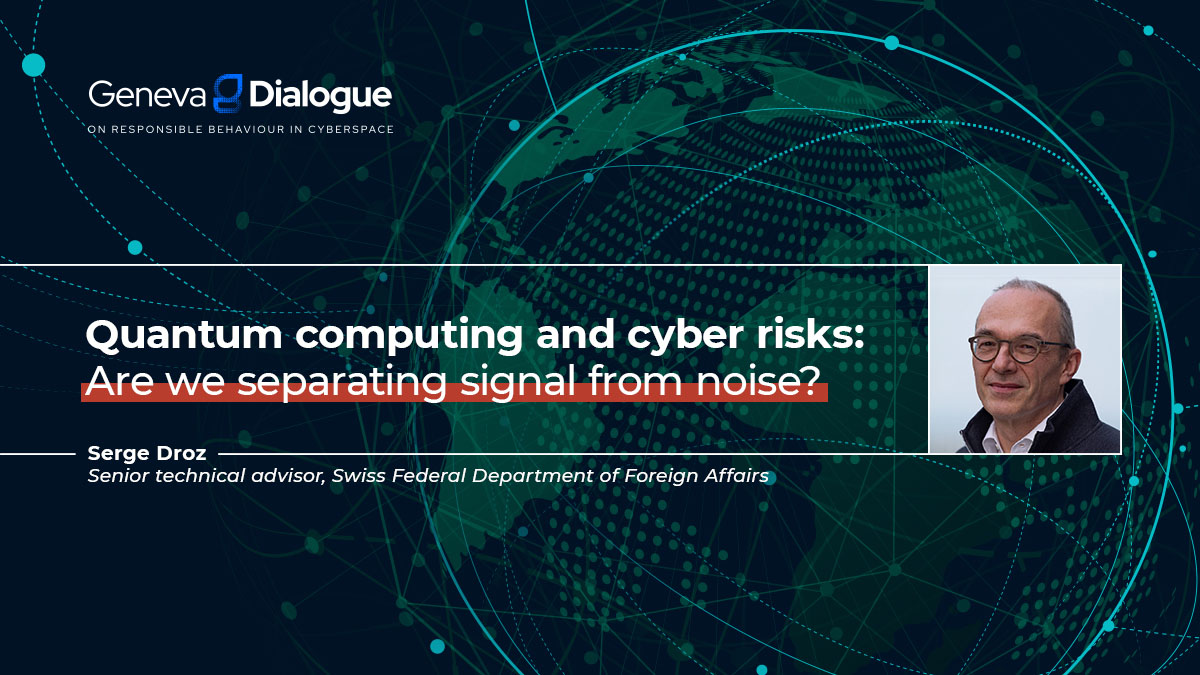
By Serge Droz (Senior technical advisor, Swiss Federal Department of Foreign Affairs), in conversation with Anastasiya Kazakova (Cyber Diplomacy Knowledge Fellow and Geneva Dialogue Project Coordinator, DiploFoundation).
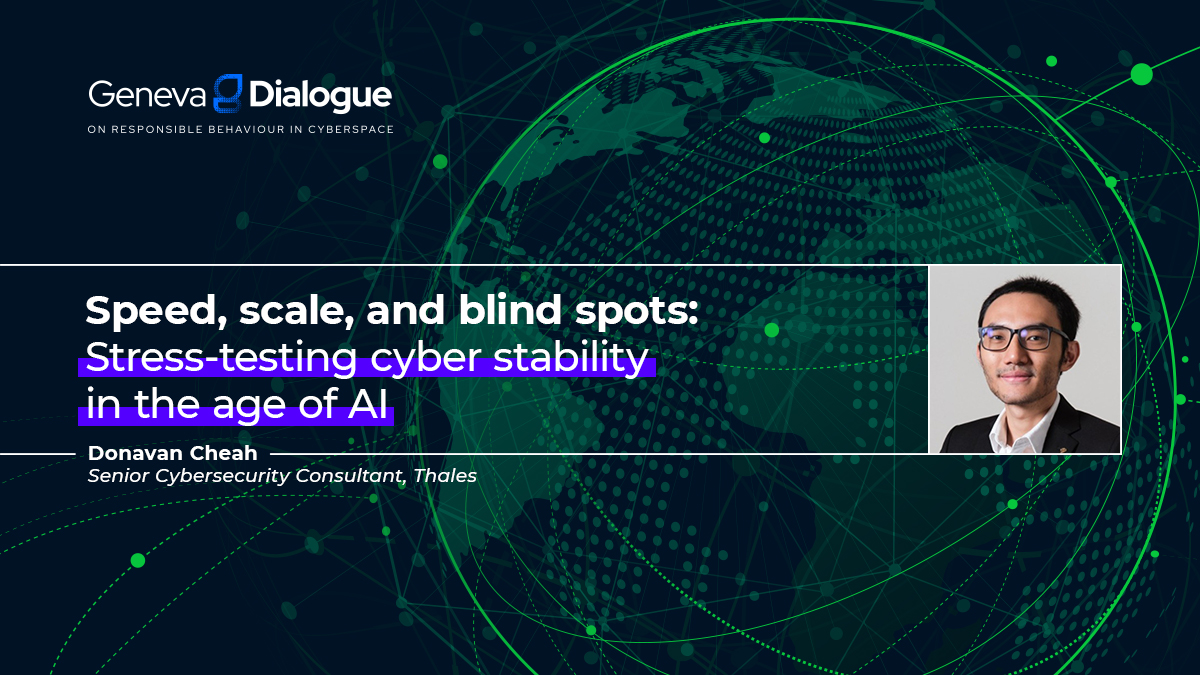
By Donavan Cheah (Senior Cybersecurity Consultant, Thales), in conversation with Anastasiya Kazakova (Cyber Diplomacy Knowledge Fellow and Geneva Dialogue Project Coordinator, DiploFoundation).
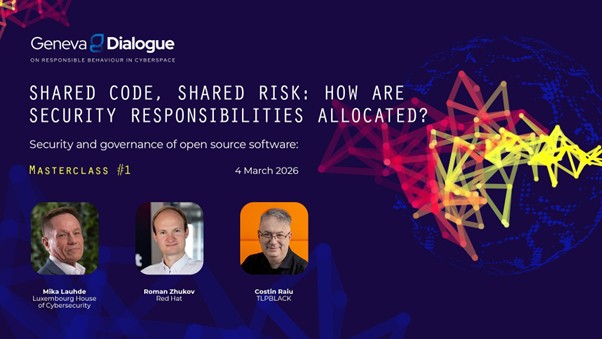
Reflections from the Geneva Dialogue Masterclass #1 (2026) on the Security and Governance of Open Source Software

Mirko Boehm, Senior Director for Community Development, Linux Foundation Europe
Free and open source software (FOSS) sustains global infrastructure but resists centralized control. Coordination occurs through dependencies, open governance, and self-organizing communities. These structures create opportunities for standards and innovation, yet limit direct policy influence. Effective engagement requires adapting to horizontal collaboration rather than imposing hierarchy.
Ambassador Asoke Mukerji, former Permanent Representative of India to the United Nations and distinguished Diplo lecturer
This keynote was delivered during the Geneva Dialogue course session on 4 December 2025......
Sofia Martinez Gomez, Cybersecurity Expert, AlixPartners
Earlier this year, Huawei organised the Cyber Security Forum at its Brussels-based Cyber Security Transparency Center, where I had the opportunity to explore the evolving landscape of cybersecurity regulation—specifically the NIS2 Directive—and share what it really means for organizations today.....