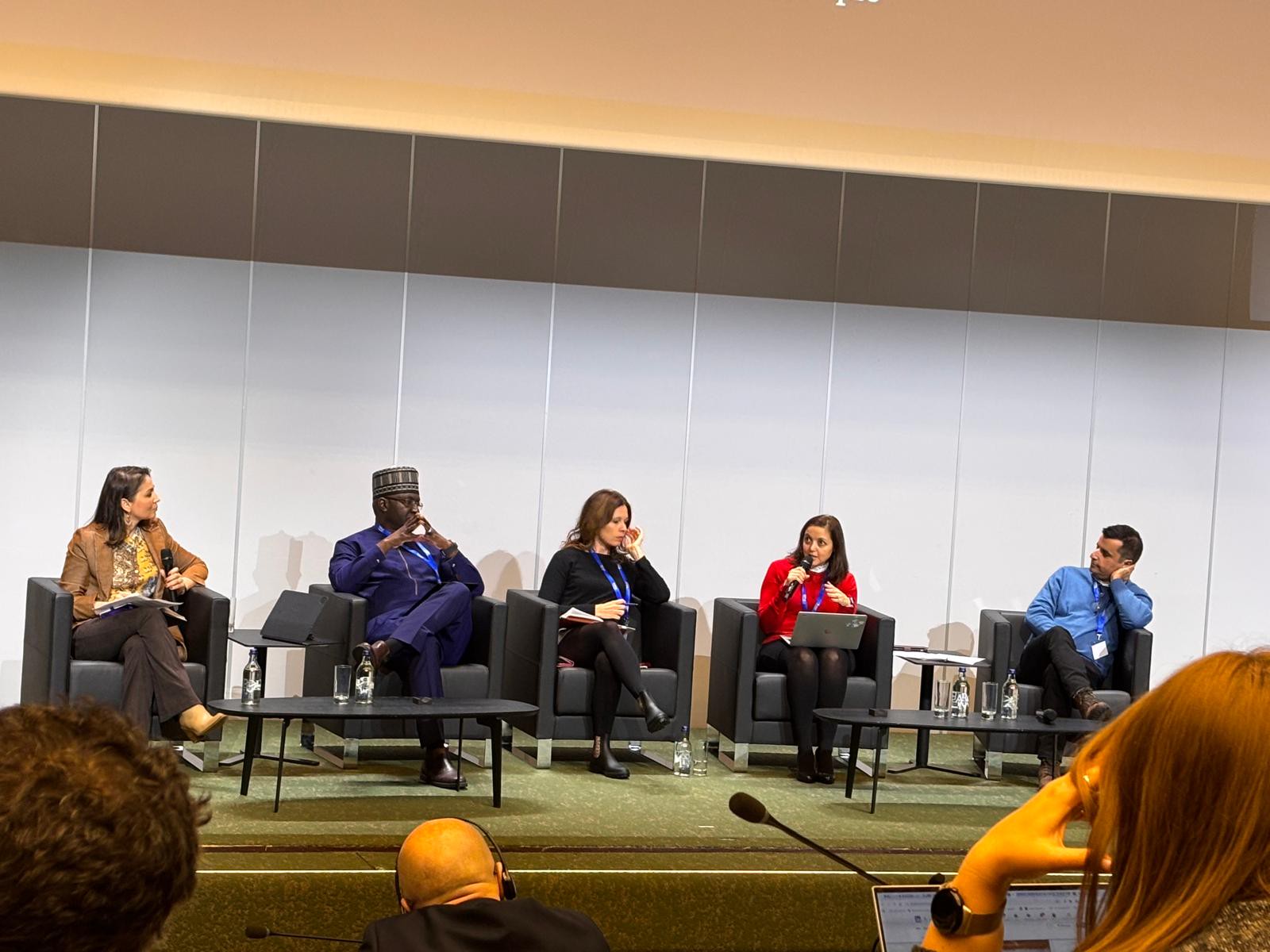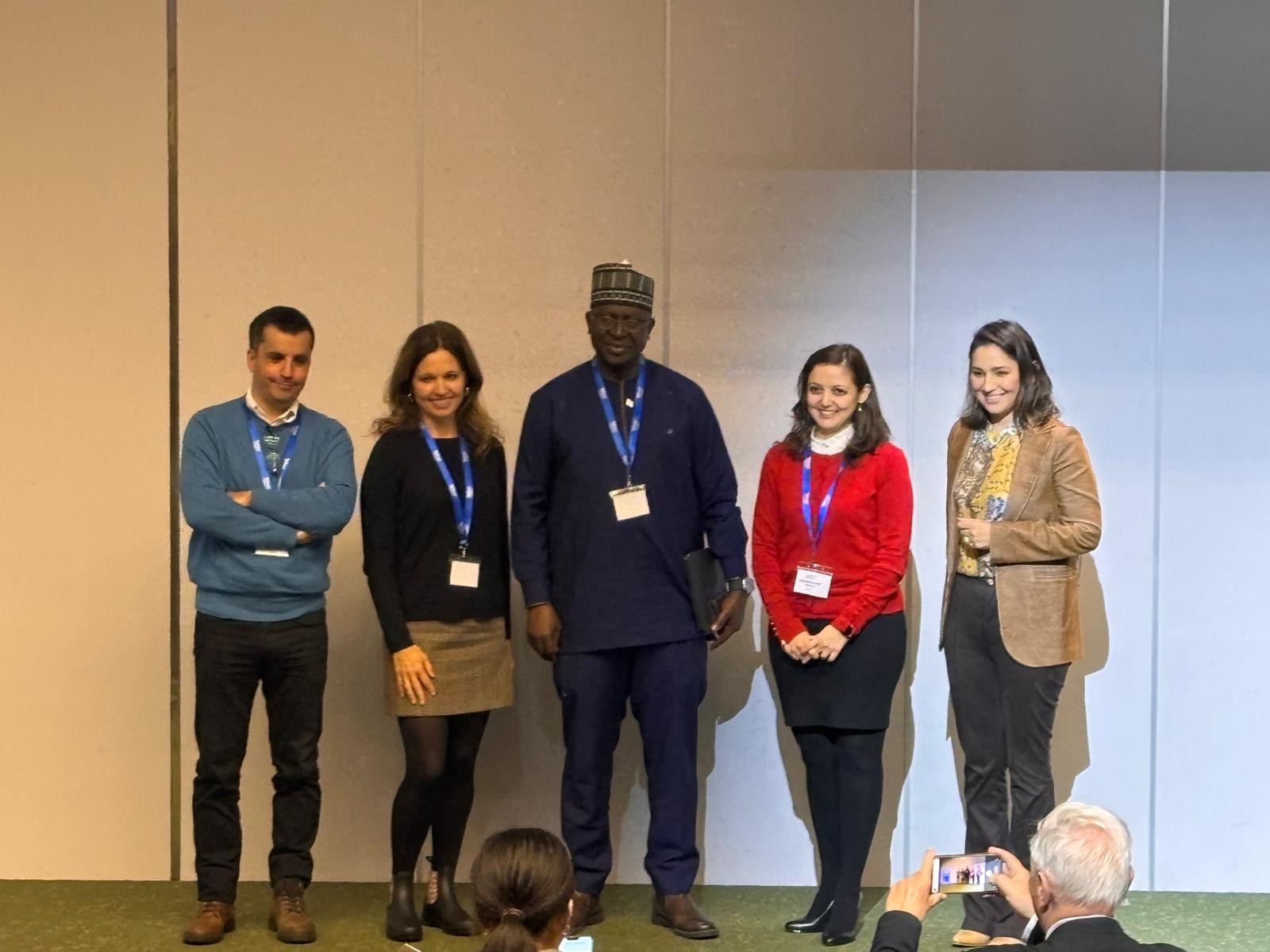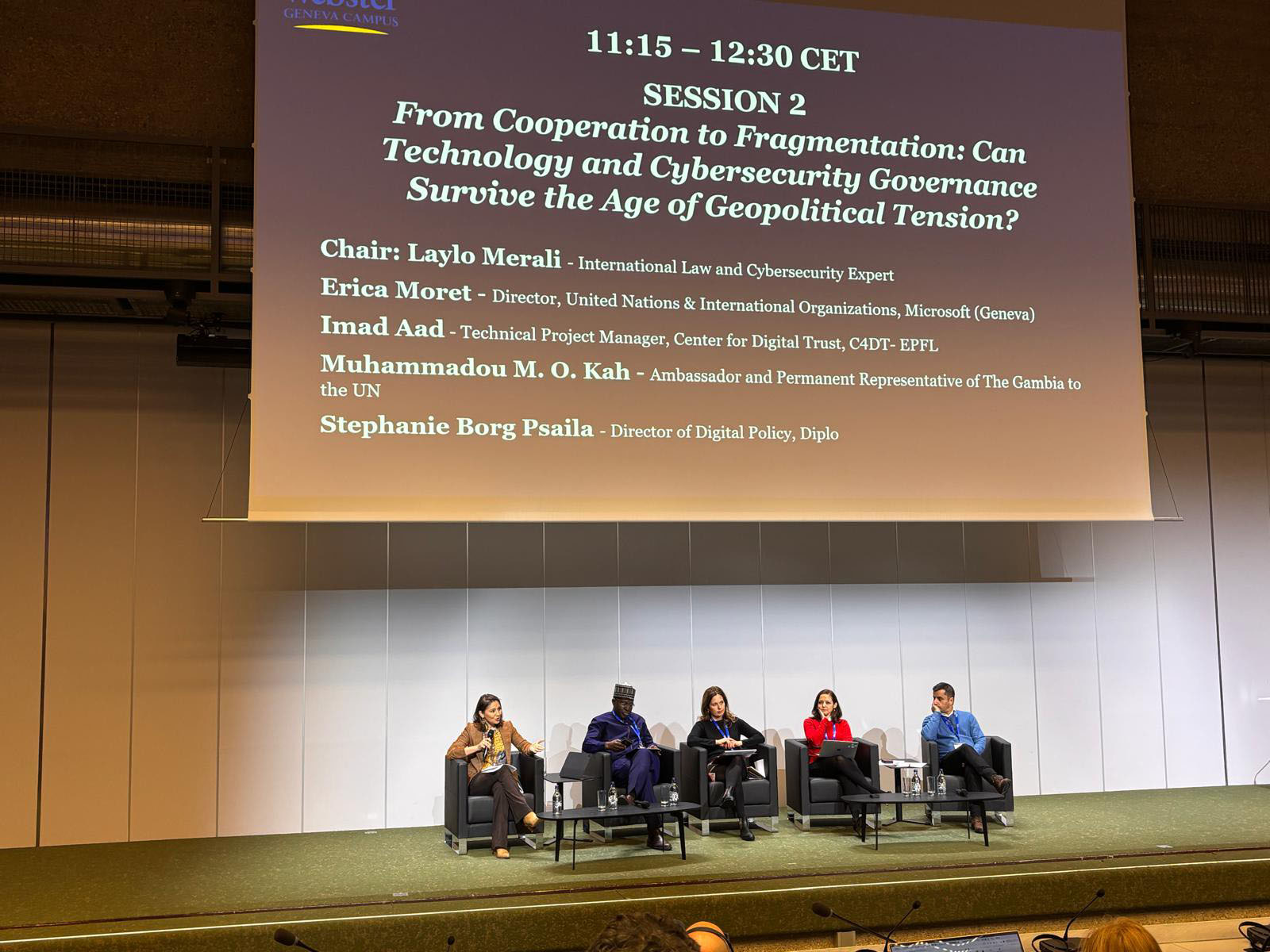
On 25 November, Imad Aad, Technical Project Manager at C4DT – EPFL and member of the Geneva Dialogue Core Group, spoke on the challenges facing international cooperation in cybersecurity amid a rapidly evolving global order and intensifying geopolitical turbulence. The discussion took place during the 30th International Humanitarian & Security Conference, dedicated to “The New World (Dis)order: Global Governance, Institutions and Norms in an Age of Uncertainty.”
Today’s international environment is marked by rising geopolitical tensions, strategic rivalries, and growing fragmentation, all of which erode trust and complicate cooperation across regions. In this context, cyberspace has become increasingly complex and contested, with sophisticated threat actors, accelerated attack cycles, and emerging risks driven by artificial intelligence—ranging from hyper-realistic phishing to deepfake-enabled fraud.
Another significant development is the shift towards framing cybersecurity through the lens of national sovereignty. This trend is driving the emergence of governance models that blend security, economic, and strategic imperatives. It is reflected in regulatory practices focused on data governance, supply-chain resilience, and technology standards that now extend across physical, digital, and economic domains, reshaping how states and industries interact.
As part of his intervention, Imad highlighted the Geneva Dialogue as a concrete and effective case study of cross-regional, multistakeholder cooperation during a time of geopolitical volatility. He underscored how the Dialogue brings together governments, industry leaders, academia,civil society, and technical communities, including experts from open-source community, to build shared understanding, exchange practical experiences, and develop principled guidance for responsible behaviour in cyberspace. In an era where formal political channels are often strained, the Geneva Dialogue demonstrates that inclusive, trust-building platforms can still advance cooperation and create space for constructive engagement across geopolitical divides.
Stephanie Borg Psaila, Director of Digital Policy, Diplo also contributed to the panel discussion, emphasising the vital role of civil society in sustaining and strengthening collaboration among states, the private sector, academia, and other stakeholders despite deepening global uncertainties.